Cancer survival is an evolutionary process driven by resistance and adaptation. Our laboratory decodes how cancer cells overcome therapeutic stress,
translating these discoveries into precision clinical tools. We are driven by four core pillars:
• I. Transcriptional Remodeling Machinery: We investigate how therapeutic stress (such as ADT, chemotherapy, and radiation) alters the P-TEFb (The positive transcriptional elongation factor b) complex. By utilizing clinically relevant models—including Patient-Derived Xenografts (PDX), Patient-Derived Organoids (PDO), and in vivo animal models—we map the downstream gene regulation that allows cancer cells to adapt and survive.
• II. Cancer Metabolism: We decode the metabolic rewiring essential for cancer resistance and systemic disease progression. Integrating advanced multi-omics platforms with our patient-derived and animal models, we specifically target the long-chain fatty acid and sphingolipid pathways that drive treatment evasion. Furthermore, we investigate how this lipid metabolic reprogramming extends beyond the tumor to drive pancreatic adenocarcinoma (PDAC)-mediated cachexia, a severe wasting syndrome that profoundly contributes to poor clinical outcomes.
• III. Liquid-Based Multi-Omics AI Models: Bridging the bench to the clinic, we integrate proteomic and metabolomic data from prostate cancer patient liquid biopsies into AI-driven predictive models to monitor disease progression and guide clinical decisions. Crucially, our models are designed to identify clinically significant, lethal prostate cancers, enabling physicians to prioritize urgent medical interventions and deliver precise, timely care.
• IV. Bioinnovation & Clinical Translation: We drive the shift from scientific discovery to clinical reality. By actively translating our mechanistic insights and AI-driven multi-omics platforms into viable medical technologies, we bridge the gap between laboratory research and frontline precision medicine.
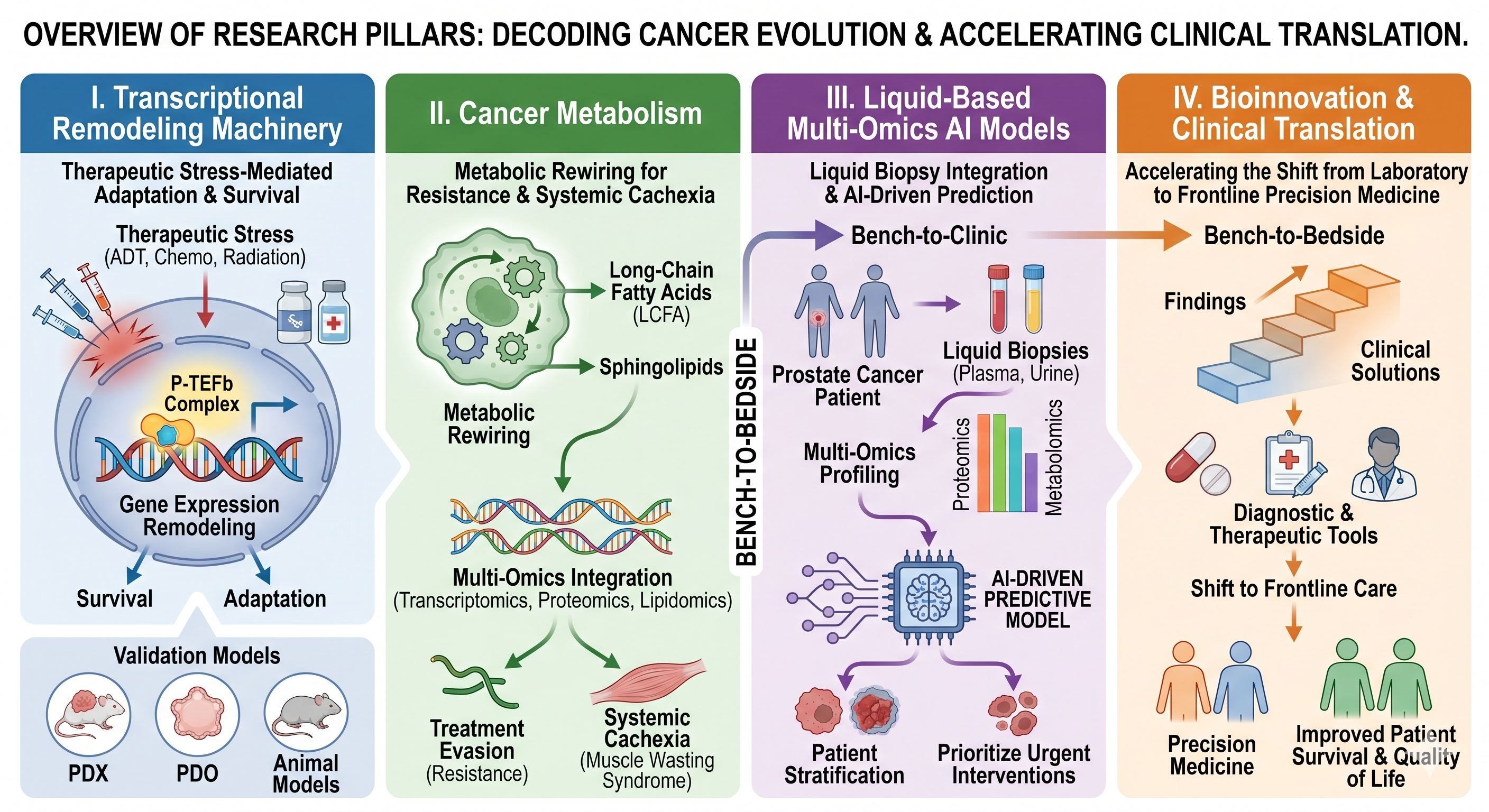
• I. Transcriptional Remodeling Machinery: We investigate how therapeutic stress (such as ADT, chemotherapy, and radiation) alters the P-TEFb (The positive transcriptional elongation factor b) complex. By utilizing clinically relevant models—including Patient-Derived Xenografts (PDX), Patient-Derived Organoids (PDO), and in vivo animal models—we map the downstream gene regulation that allows cancer cells to adapt and survive.
• II. Cancer Metabolism: We decode the metabolic rewiring essential for cancer resistance and systemic disease progression. Integrating advanced multi-omics platforms with our patient-derived and animal models, we specifically target the long-chain fatty acid and sphingolipid pathways that drive treatment evasion. Furthermore, we investigate how this lipid metabolic reprogramming extends beyond the tumor to drive pancreatic adenocarcinoma (PDAC)-mediated cachexia, a severe wasting syndrome that profoundly contributes to poor clinical outcomes.
• III. Liquid-Based Multi-Omics AI Models: Bridging the bench to the clinic, we integrate proteomic and metabolomic data from prostate cancer patient liquid biopsies into AI-driven predictive models to monitor disease progression and guide clinical decisions. Crucially, our models are designed to identify clinically significant, lethal prostate cancers, enabling physicians to prioritize urgent medical interventions and deliver precise, timely care.
• IV. Bioinnovation & Clinical Translation: We drive the shift from scientific discovery to clinical reality. By actively translating our mechanistic insights and AI-driven multi-omics platforms into viable medical technologies, we bridge the gap between laboratory research and frontline precision medicine.
Awards & News

Latest Updates
- 2026 NSTC Undergraduate Research Project Scholarship 2026.06.29
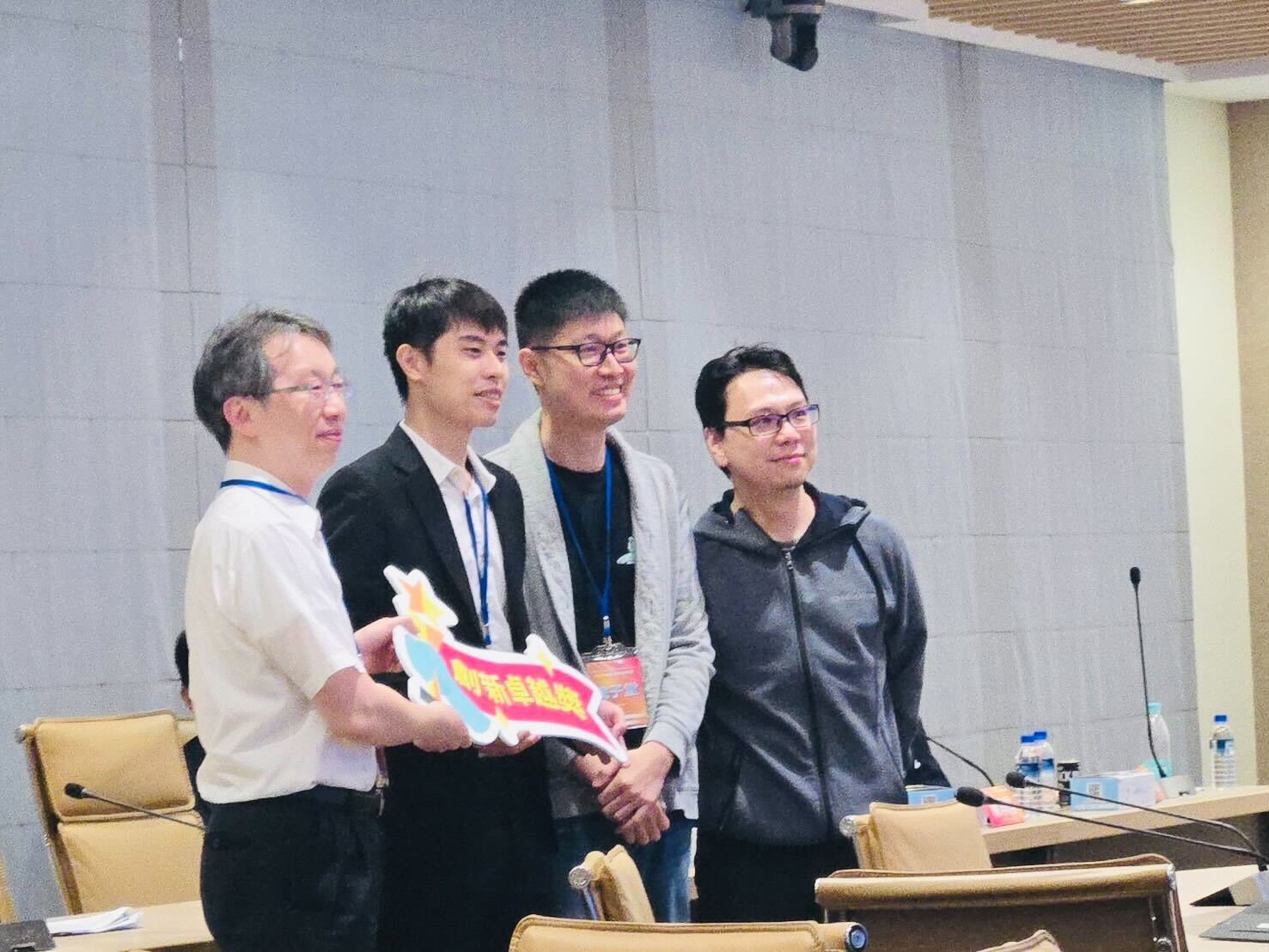
- NTU SPARK Demo Day Award 2026.05.26
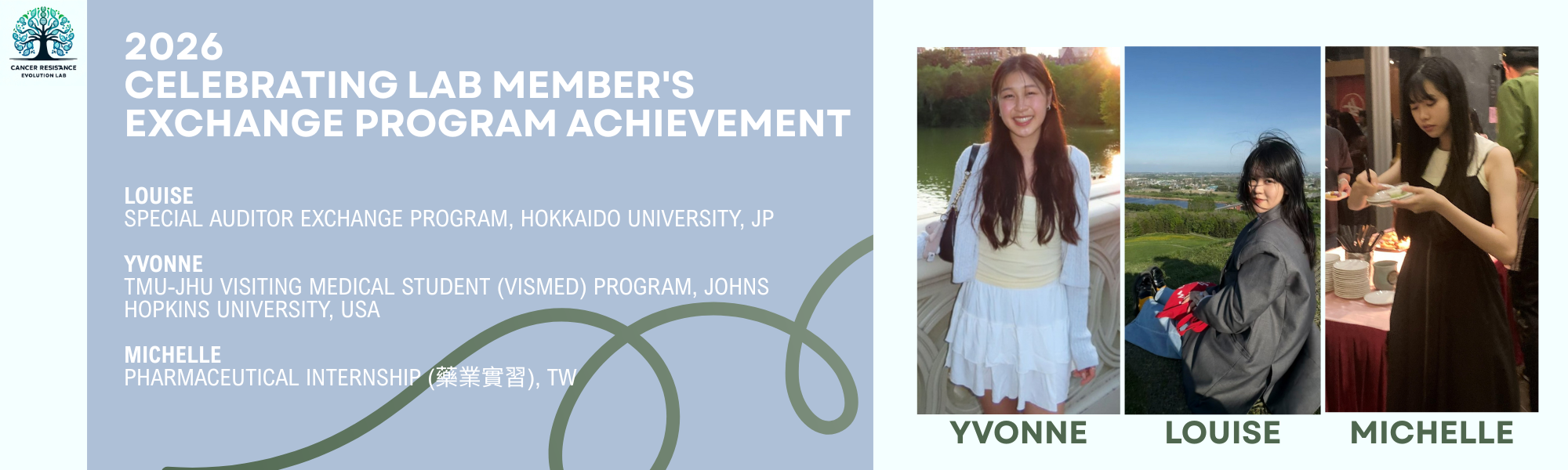
- Exchange Program Achievement 2026.04.18
Research Focus


Events